SERVICES OF TUILERIES GARDEN
TUILERIES GARDEN GUIDE SERVICE
3 CAFE
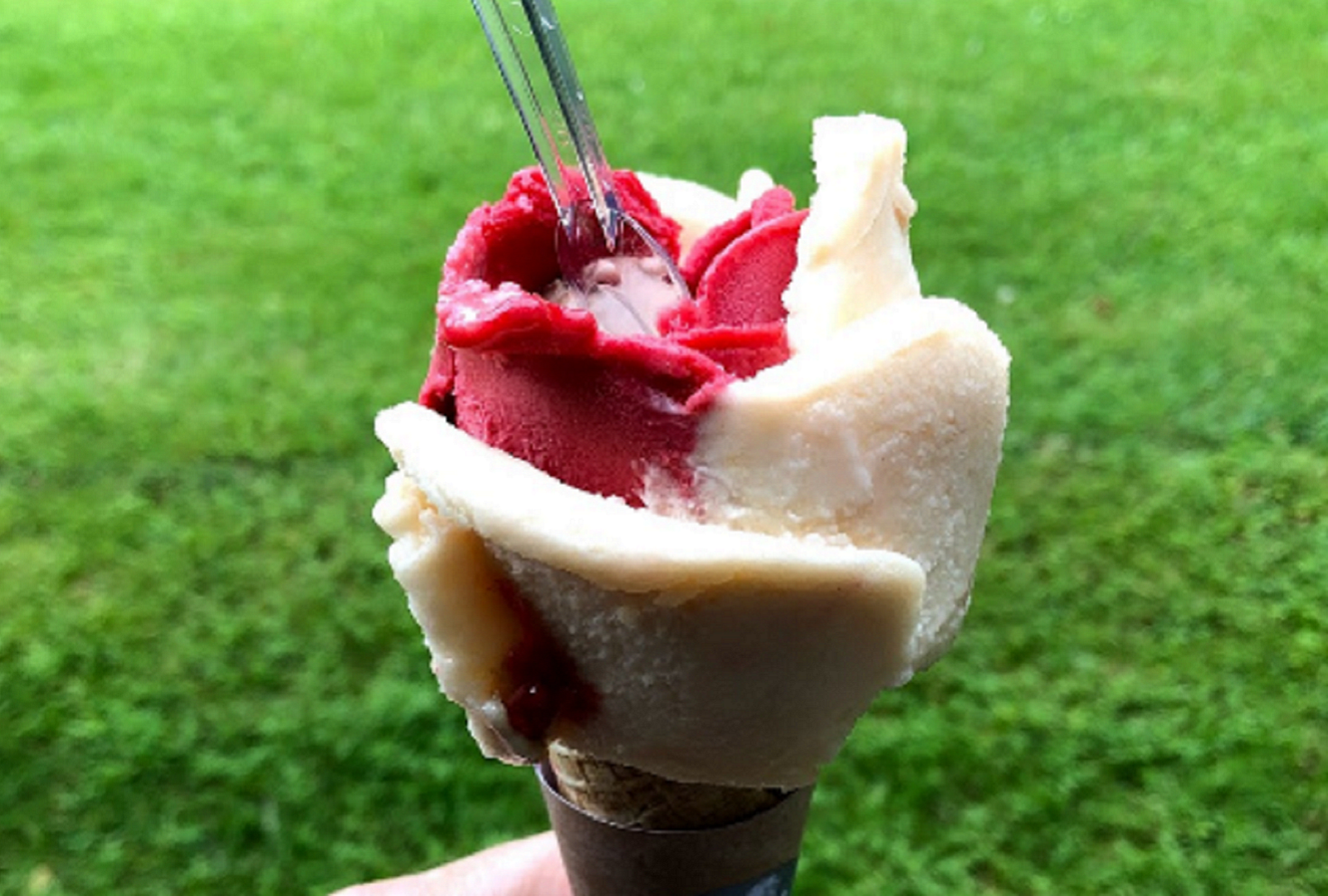
1 AMORINO 2 PAVILION DES TUILERIES 3 MARRONIERS
PHOTOGRAPHER WEDDING SERVICE

TUILERIES GARDEN WIKIPEDIA DESCRIPTION
GRAND CARRE OF THE TUILERIES
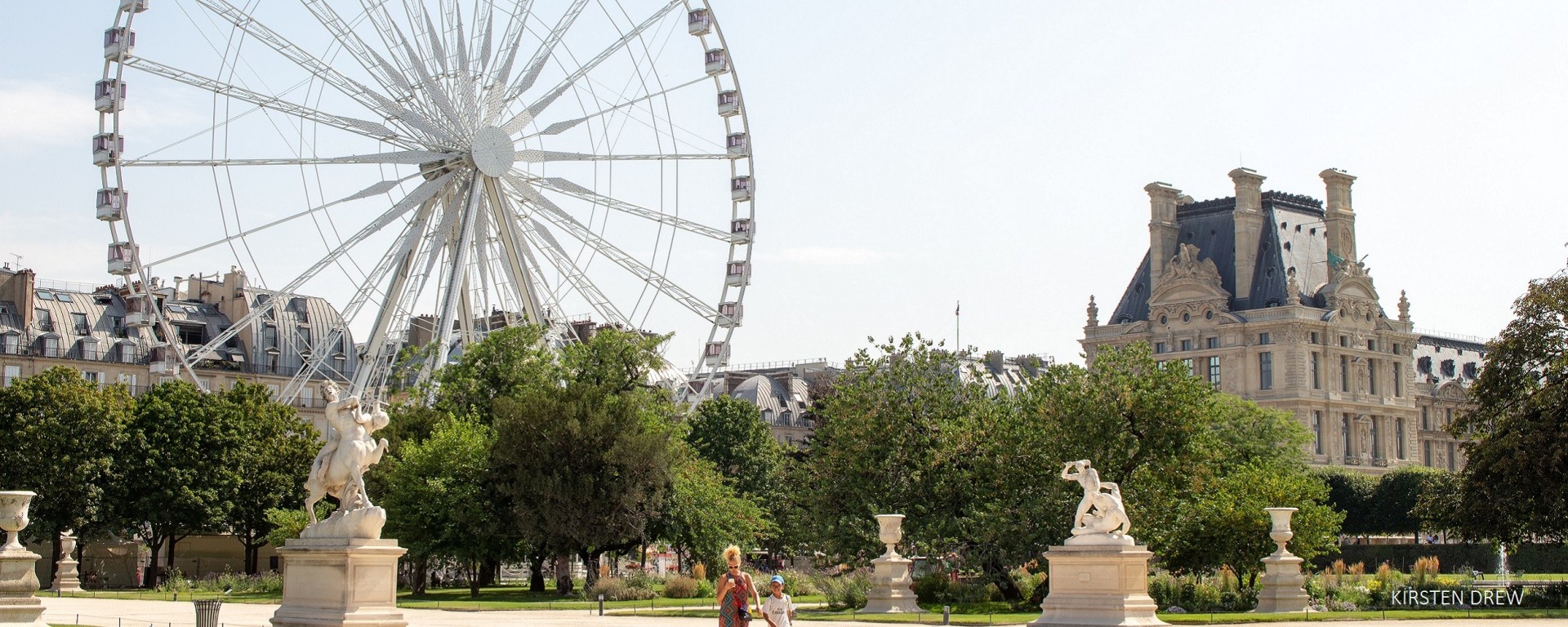
Tuileries Garden panorama
The Grand Carré (Large Square) is the eastern, open part of the Tuilieries garden, which still follows the formal plan of the Garden à la française created by André Le Nôtre in the 17th century.
The eastern part of the Grand Carré, surrounding the round pond, was the private garden of the king under Louis Philippe and Napoleon III, separated from the rest of the Tuileries by a fence.
Most of the statues in the Grand Carré were put in place in the 19th century.
Nymphe (1866) and Diane Chasseresse (Diana the Huntress) (1869) by Louis Auguste Lévêque, which mark the beginning of the central allée which runs east-west through the park.
Tigre terrassant un crocodile (Tiger overwhelming a crocodile) (1873) and Tigresse portant un paon à ses petits (Tigress bringing a peacock to her young) (1873), both by Auguste Cain, by the two small round ponds.
The large round pond is surrounded by statues on themes from antiquity, allegory, and ancient mythology. Statues in violent poses alternate with those in serene poses. On the south side, starting from the east entrance of the large round pond, they are:
La Misère (Misery) by Jean-Baptiste Hugues (1905)
Périclès distribuant les couronnes aux artistes (Pericles Giving Crowns to Artists) by Jean-Baptiste Debay Pėre (1835)
Le Bon Samaritain (The Good Samaritan) by François Sicard (1896)
“Alexandre Combattant” (Alexander Fighting) by Charles Nanteuil (1836)
Cincinnatus by Denis Foyatier (1834)
Médée by Paul Jean Baptiste Gasq (1896)
On the north side, starting at the west entrance to the pond, they are:
Le Serment de Spartacus (The Oath of Spartacus) by Louis Ernest Barrias (1869)
La Comédie by Julien Toussaint Roux (1874)
Le Centaur Nessus enlevant Dėjanire (The Centaur Nessus Carrying Off Dejanire) by Laurent Honoré Marqueste (1892)
Thésée combattant le Minotaure (Theseus Fighting the Minotaur) by Étienne-Jules Ramey (1821)
Cassandre se met sous la protection de Pallas by Aimé Miller (1877)
Caïn venant de tuer son frère Abel (Cain After Killing His Brother Abel) by Henri Vidal (1896)
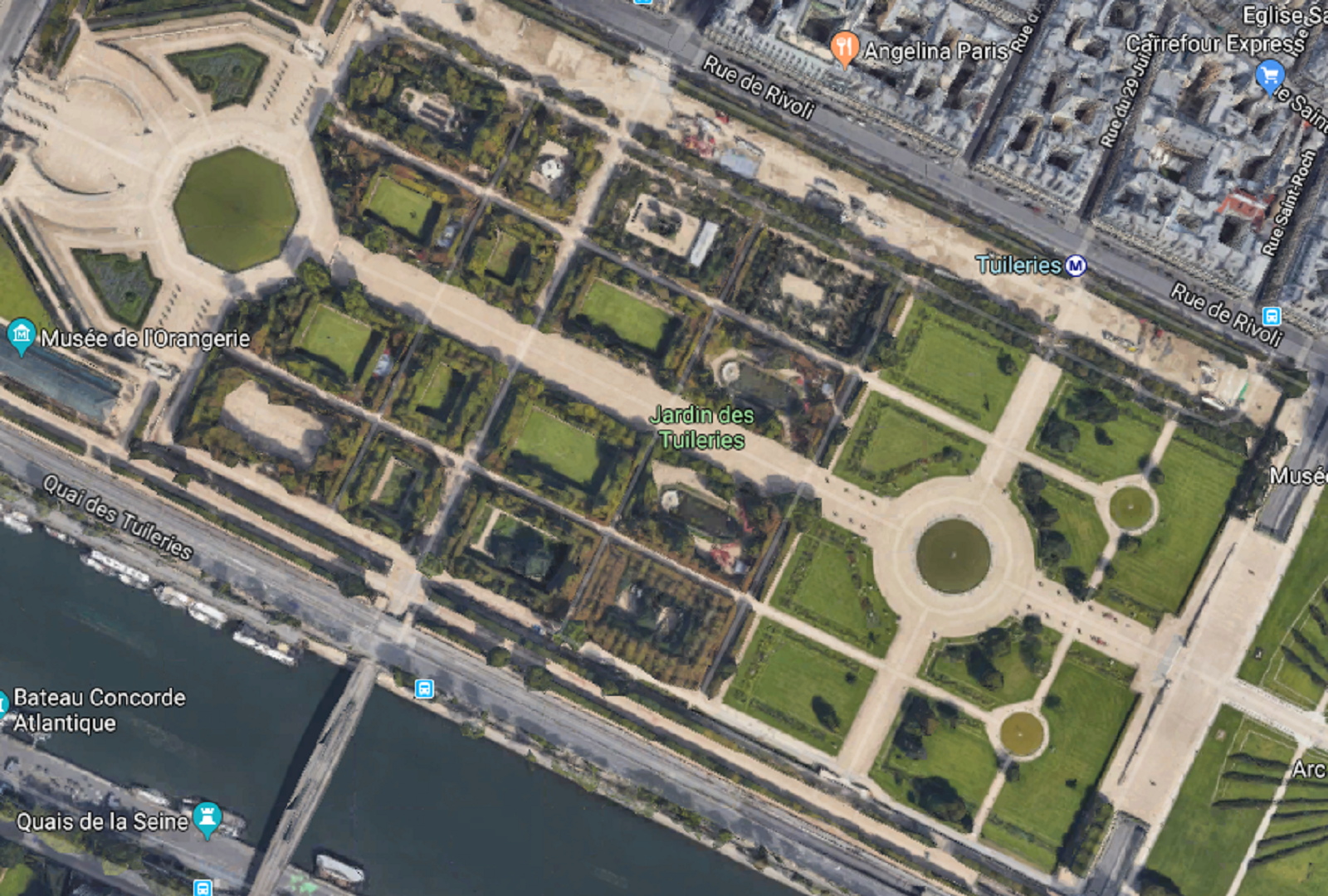
Plan of the Jardin des Tuileries
Le Grand Couvert of the Tuileries
The Grand Couvert is the part of the garden covered with trees. The two cafes in the Grand Couvert are named after two famous cafes once located in the garden; the café Very, which had been on the terrace des Feuiillants in the 18th–19th century; and the café Renard, which in the 18th century had been a popular meeting place on the western terrace.
The Grand Couvert also contains the two exedres, low curving walls built to display statues, which survived from the French Revolution. They were built in 1799 by Jean Charles Moreau, part of a larger unfinished project designed by painter Jacques-Louis David in 1794. They are now decorated with plaster casts of moldings on mythological themes from the park of Louis XIV at Marly.
The Grand Couvert contains a number of important works of the 20th century and contemporary sculpture, including:
L’Échiquier, Grand,(1959) by Germaine Richier
La Grande Musicienne, (1937) by Henri Laurens
Personnages III (1967) by Étienne Martin
Primo Piano II (1962) by David Smith
Confidence (2000) by Daniel Dezeuze
Force et Tendresse (1996) by Eugène Dodeigne
L’Ami de personne, (1999) by Erik Dietman
Manus Ultimus, (1997) by Magdalena Abakanowicz
Arbre des voyelles, (2000) by Giuseppe Penone
Brushstroke Nude (1993) by Roy Lichtenstein
Un, deux, tros, nous (2000) by Anne Rochette
Jeanette, (about 1933), Paul Belmondo
Apollon, (about 1933), Paul Belmondo
Orangerie, Jeu de Paume, and West Terrace of the Tuileries
Westernmost portion of the Tuileries Garden
Claude Monet, Les Nymphéas (Water Lilies) 1920–1926, oil on canvas, 86.2 × 237 in. (219 × 602 cm) in the Orangerie
ORANGERIE, JEU DE PAUME, AND WEST TERRACE OF THE TUILERIES
The orangerie (Musée de l’Orangerie)
At the west end of the garden close to the Seine, was built in 1852 by the architect Firmin Bourgeois. Since 1927 it has displayed many large examples of Claude Monet’s Water Lilies series. It also displays the Walter-Guillaume collection of Impressionist painting
On the terrace of the Orangerie are four works of sculpture by Auguste Rodin: Le Baiser (1881–1898); Eve (1881) and La Grande Ombre (1880) and La Meditation avc bras (1881–1905). It also has a modern work, Grand Commandement blanc (1986) by Alain Kirili.
The Jeu de Paume (Galerie nationale du Jeu de Paume) was built in 1861 was the architect Viraut, and enlarged in 1878. In 1927 it became an annex of the Luxembourg Palace Museum for the display of contemporary art from outside France. During the German Occupation of World War II, from 1940 to 1944, it was used by the Germans as a depot for storing art they stole or expropriated from Jewish families. From 1947 until 1986, it served as the Musée du Jeu de Paume, which held many important Impressionist works now housed in the Musée d’Orsay. Today, the Jeu de Paume is used for exhibits of modern and contemporary art.
On the terrace in front of the Jeu de Paume is a work of sculpture, Le Bel Costumé (1973) by Jean Dubuffet.


 FRANCE RESIDENCES