
PALAIS ROYAL AND GARDEN WEDDING PHOTO &…

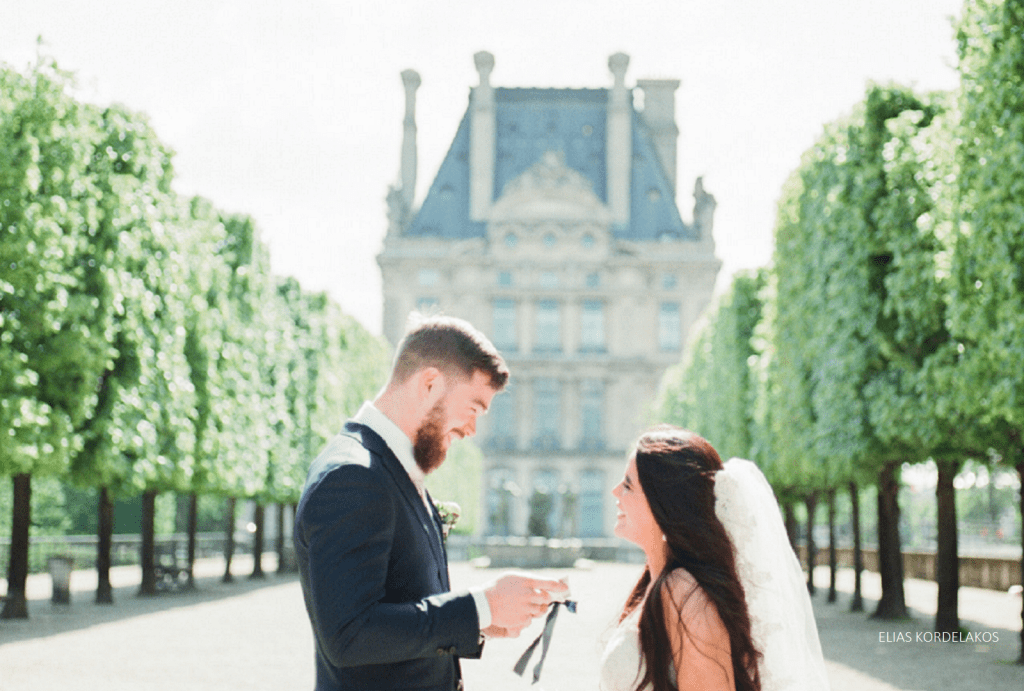
COME TO PALAIS ROYAL AND CONTACT WITH US
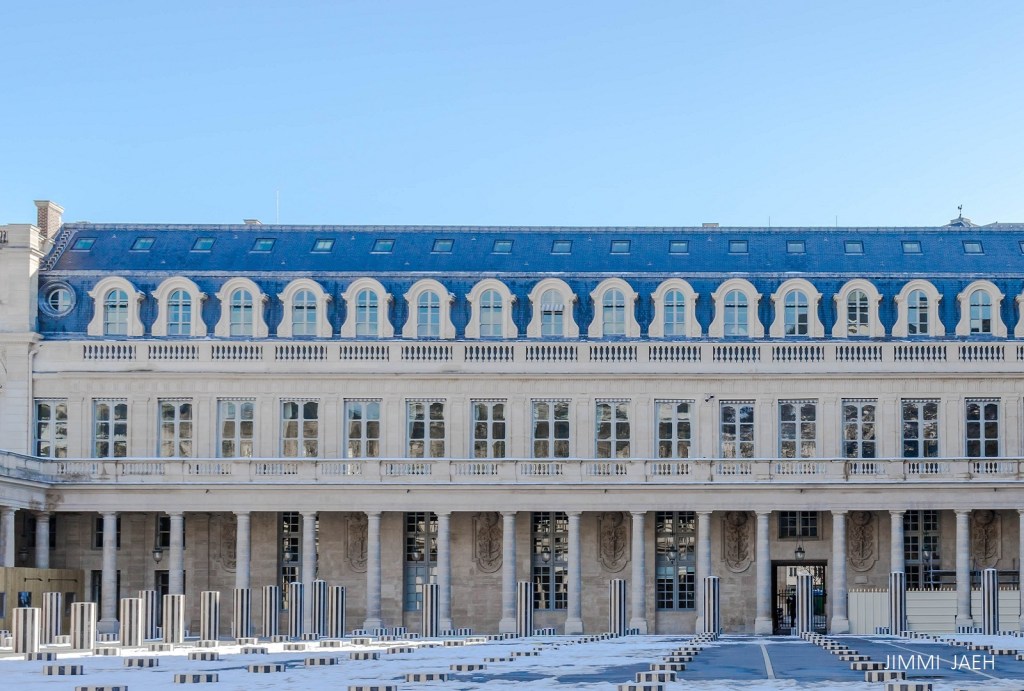
PALAIS ROYAL -MINISTRY OF CULTURE FRANCE
GARDEN PALAIS ROYAL AND PALAIS ROYAL PERFECT LOCATION FOR ANY EVENT PHOTO SERVICE
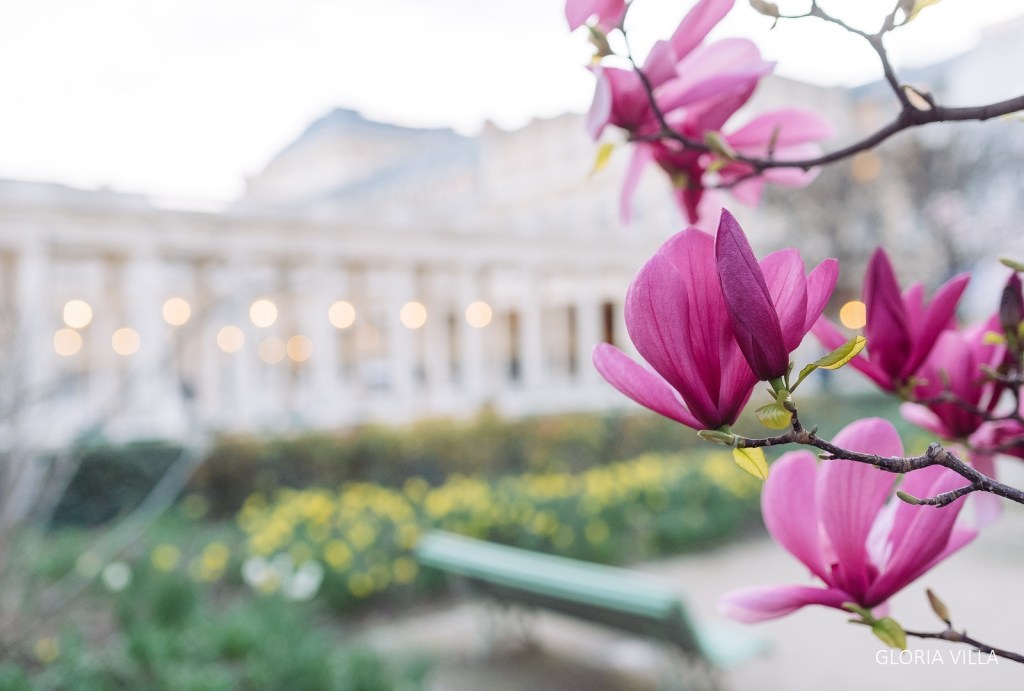
https://www.culture.gouv.fr/ Oficial WEB site (for easy find link).
https://www.culture.gouv.fr/en/Know-us/Discover-the-Department
PALAIS ROYAL WIKIPEDIA DESCRIPTION
Today’s Palais-Royal
Dancers of the Nathalie Pernette company perform her dance piece La Figure du Baiser in May 2017 within the Columns of Buren at the Palais-Royal.
Today the Palais-Royal accommodates the Conseil d’État, the Constitutional Council, and the Ministry of Culture. At the rear of the garden, north of the Palais-Royal on the Rue de Richelieu are the older buildings of the Bibliothèque nationale de France.
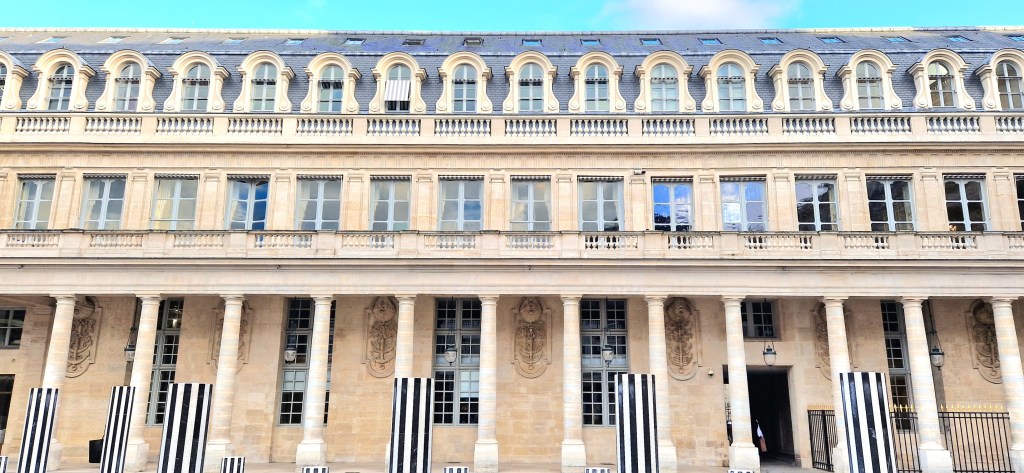
The larger inner courtyard of the palace, the Cour d’Honneur, has since 1986 contained Daniel Buren’s site-specific art piece Les Deux Plateaux, known as Les Colonnes de Buren.
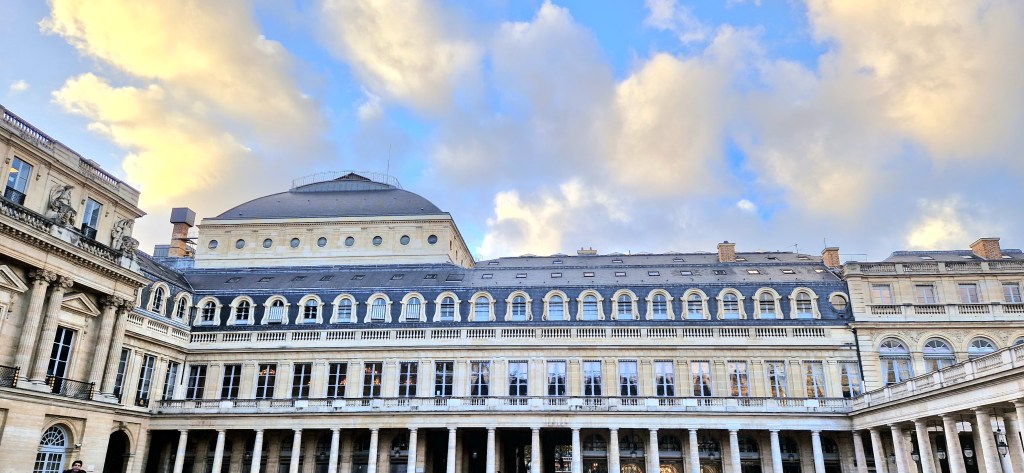
The Comédie Française (architect Victor Louis) at 2, rue de Richelieu
Palais Brion
The House of Orléans did not occupy the northeast wing, where Anne of Austria had originally lived, but instead chose to reside in the palais Brion to the west of the main block, where the future regent, before his father died, commissioned Gilles-Marie Oppenord to decorate the grand appartement in the light and lively style Régence that foreshadowed the Rococo. These, and the Regent’s more intimate petits appartements, as well as a gallery painted with Virgilian subjects by Coypel, were all demolished in 1784, for the installation of the Théâtre-Français, now the Comédie-Française.
The palais Brion, a separate pavilion standing along rue Richelieu, to the west of the Palais-Royal, had been purchased by Louis XIV from the heirs of Cardinal Richelieu. Louis had it connected to the Palais-Royal. It was at the palais Brion that Louis had his mistress Louise de La Vallière stay while his affair with Madame de Montespan was still an official secret.
Later on, the royal collection of antiquities was installed at the palais Brion, under the care of the art critic and official court historian André Félibien, who had been appointed in 1673
“Palais Royal” redirects here. For other uses, see Palais Royal (disambiguation).
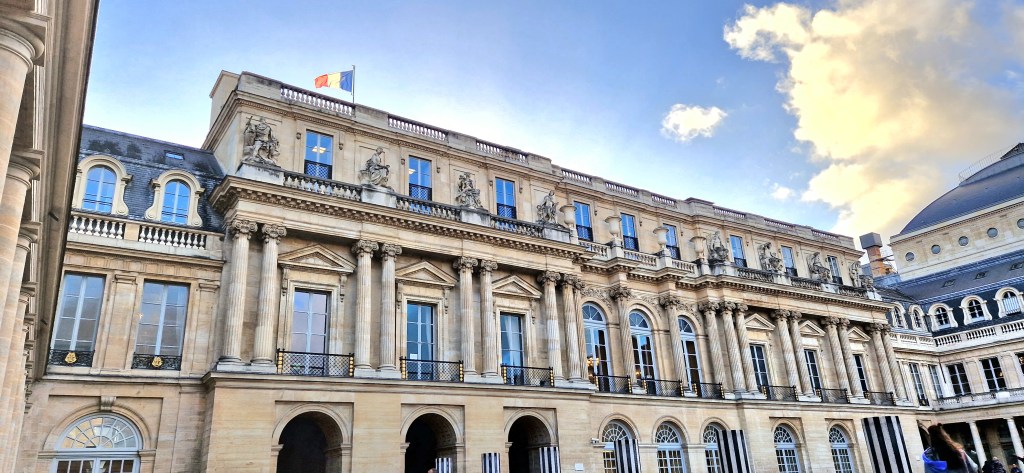
Entrance front of the Palais-Royal on the rue Saint-Honoré
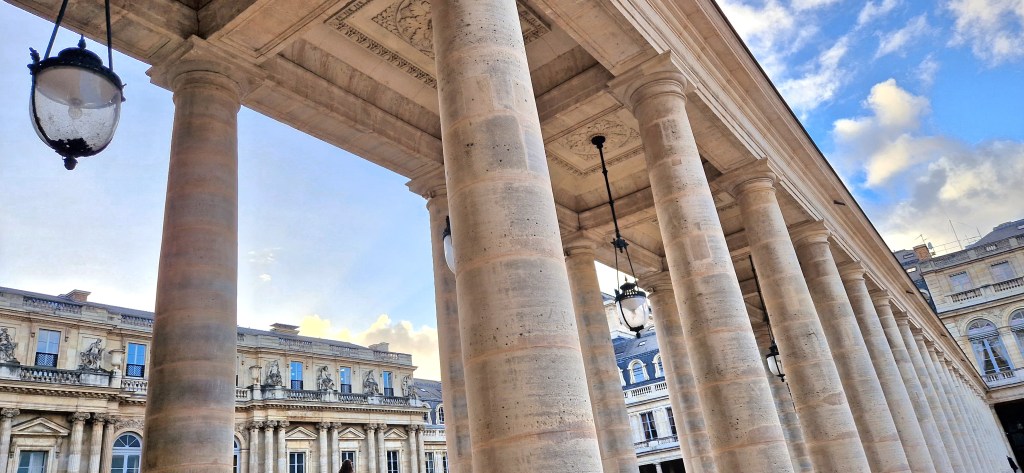
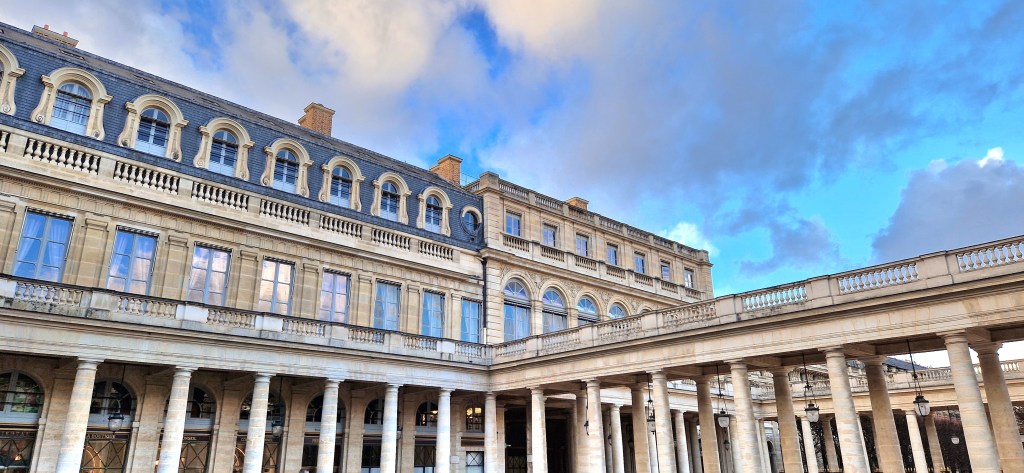
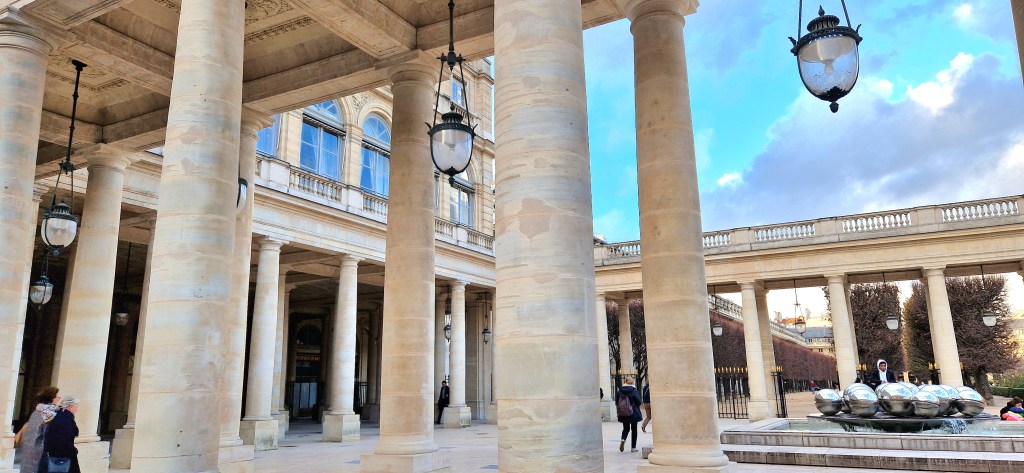
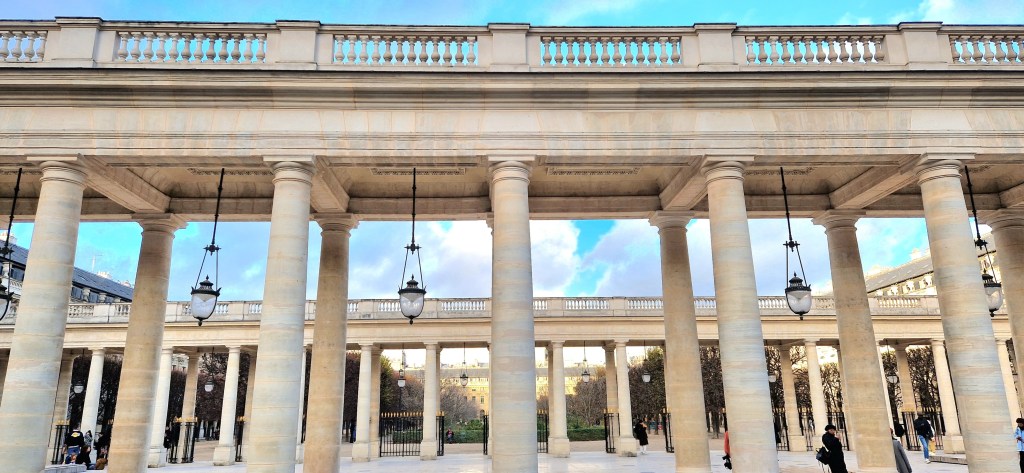
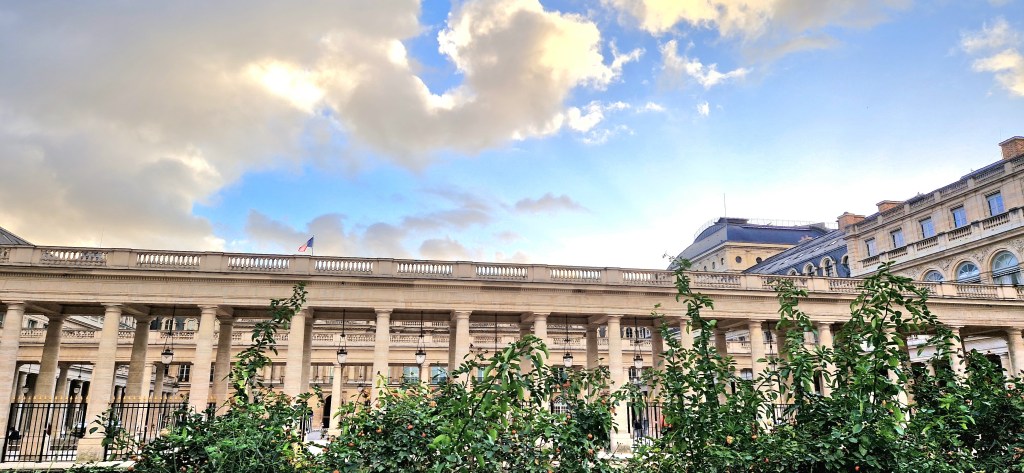
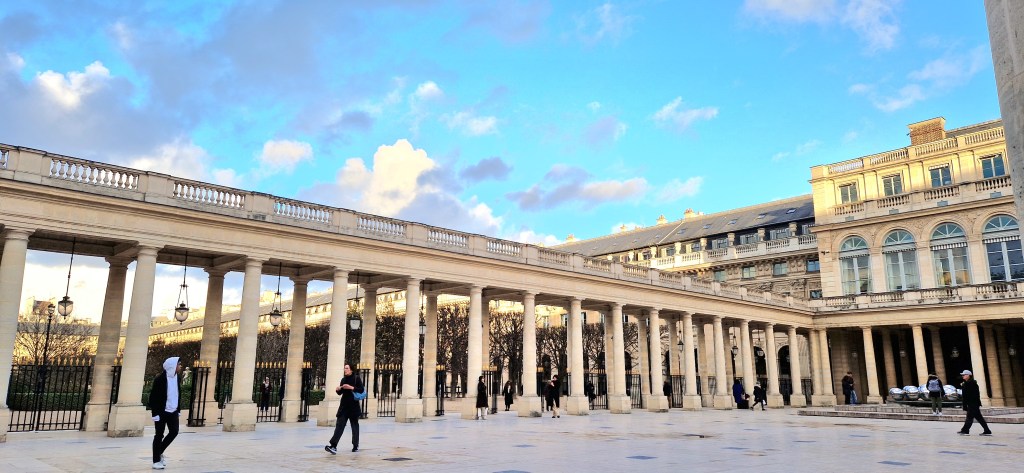
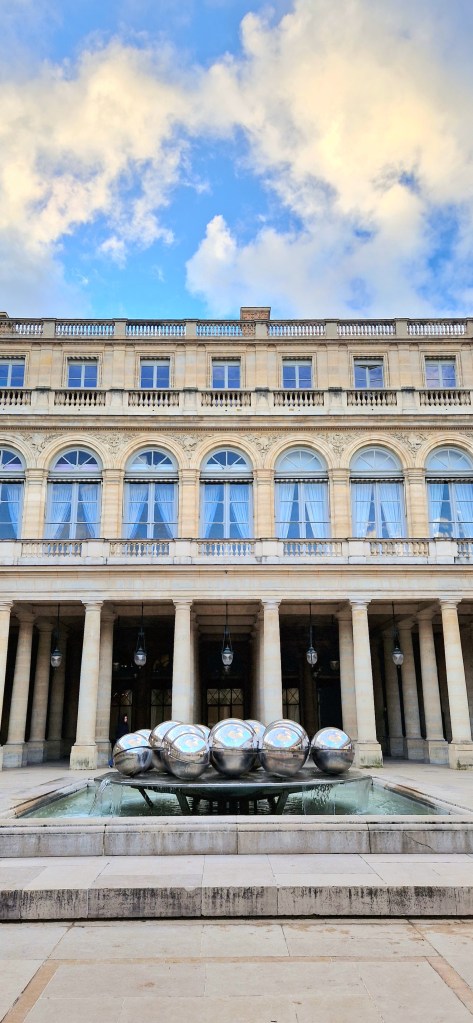
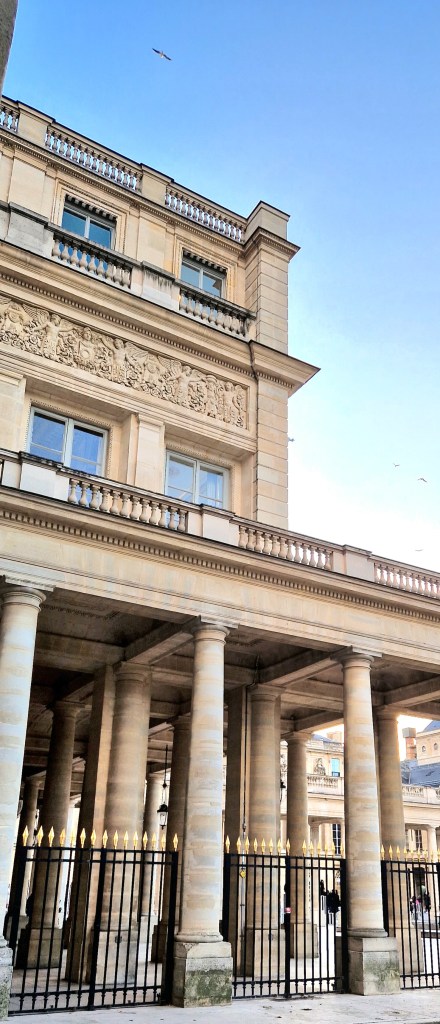
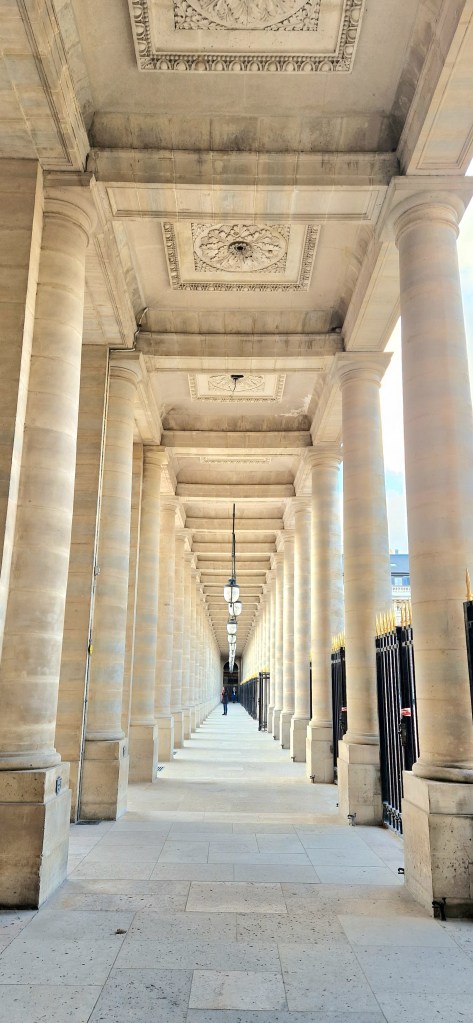
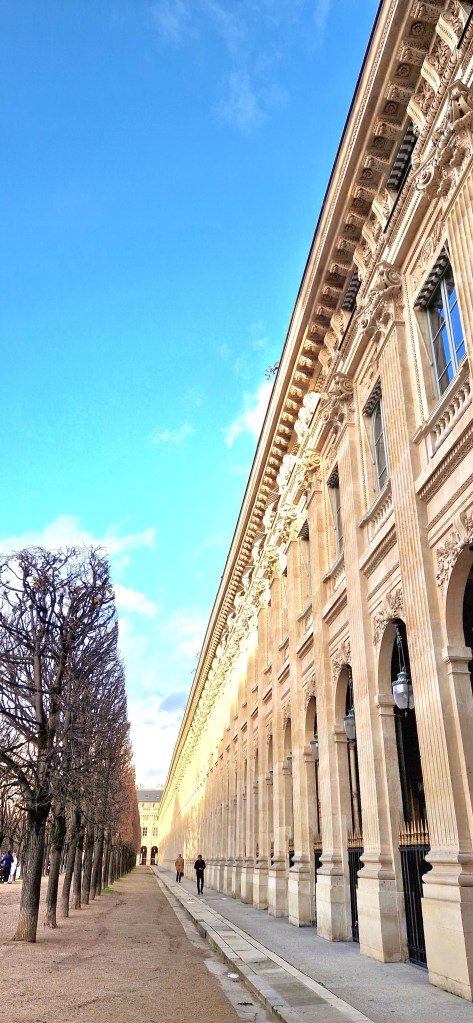
Garden-side view with the columns of the former Galerie d’Orléans
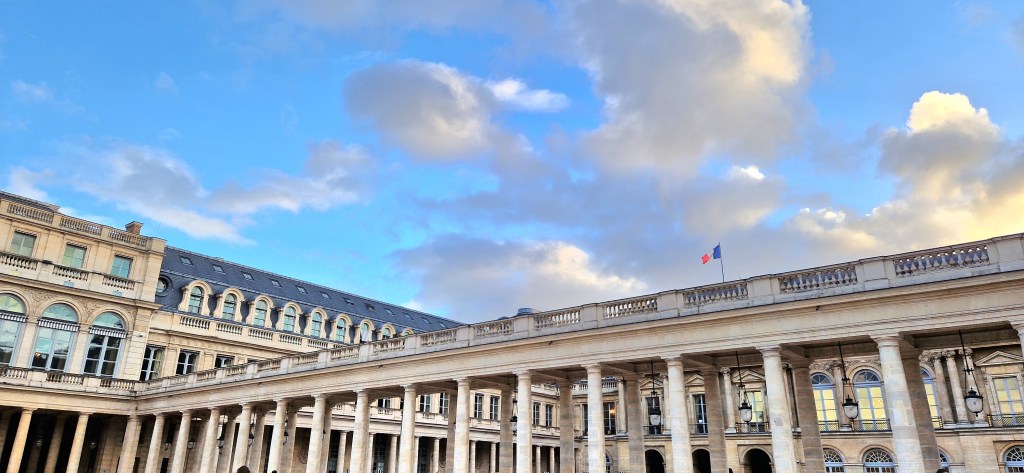
The Palais-Royal (French pronunciation: [pa.lɛ ʁwa.jal]), originally called the Palais-Cardinal, is a former royal palace located in the 1st arrondissement of Paris, France. The screened entrance court faces the Place du Palais-Royal, opposite the Louvre. In 1830 the larger inner courtyard of the palace, the Cour d’Honneur, was enclosed to the north by what was probably the most famous of Paris’s covered arcades, the Galerie d’Orléans. Demolished in the 1930s, its flanking rows of columns still stand between the Cour d’Honneur and the popular Palais-Royal Gardens.
The Palais-Royal now serves as the seat of the Ministry of Culture, the Conseil d’État, and the Constitutional Council.
Today’s Palais-Royal
Dancers of the Nathalie Pernette company perform her dance piece La Figure du Baiser in May 2017 within the Columns of Buren at the Palais-Royal.
Today the Palais-Royal accommodates the Conseil d’État, the Constitutional Council, and the Ministry of Culture. At the rear of the garden, north of the Palais-Royal on the Rue de Richelieu are the older buildings of the Bibliothèque nationale de France.
The larger inner courtyard of the palace, the Cour d’Honneur, has since 1986 contained Daniel Buren’s site-specific art piece Les Deux Plateaux, known as Les Colonnes de Buren.
The Comédie Française (architect Victor Louis) at 2, rue de Richelieu
Palais Brion
The House of Orléans did not occupy the northeast wing, where Anne of Austria had originally lived, but instead chose to reside in the palais Brion to the west of the main block, where the future regent, before his father died, commissioned Gilles-Marie Oppenord to decorate the grand appartement in the light and lively style Régence that foreshadowed the Rococo. These, and the Regent’s more intimate petits appartements, as well as a gallery painted with Virgilian subjects by Coypel, were all demolished in 1784, for the installation of the Théâtre-Français, now the Comédie-Française.
The palais Brion, a separate pavilion standing along rue Richelieu, to the west of the Palais-Royal, had been purchased by Louis XIV from the heirs of Cardinal Richelieu. Louis had it connected to the Palais-Royal. It was at the palais Brion that Louis had his mistress Louise de La Vallière stay while his affair with Madame de Montespan was still an official secret.
Later on, the royal collection of antiquities was installed at the palais Brion, under the care of the art critic and official court historian André Félibien, who had been appointed in 1673.
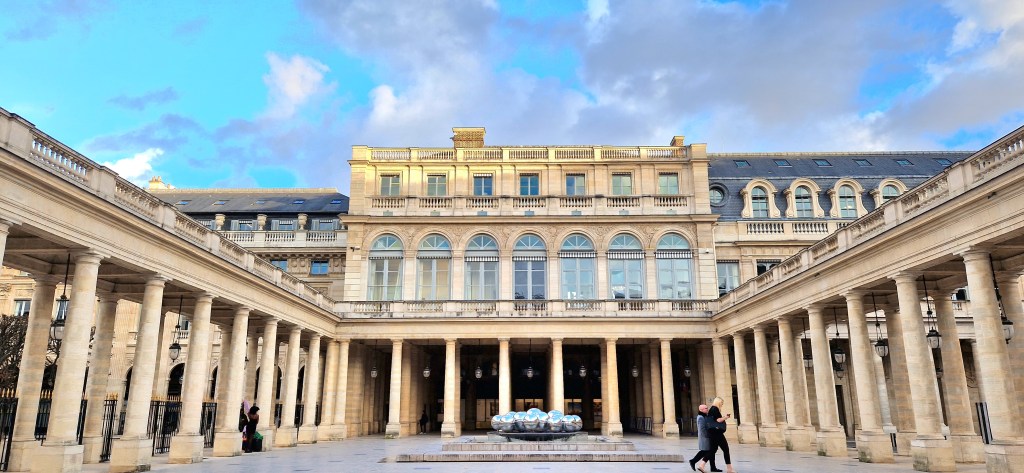







 FRANCE RESIDENCES